Enhancing Web Design with Sweet Story Font
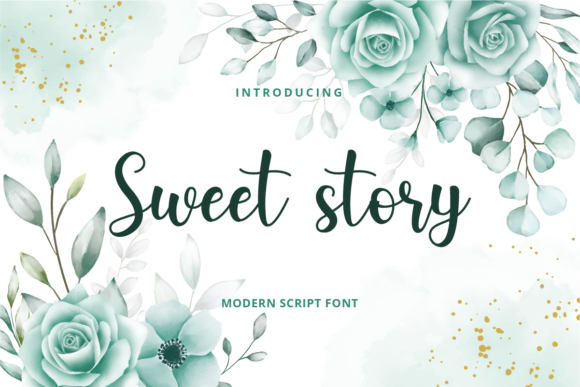
As I was designing the homepage for a boutique online store, I stumbled upon Sweet Story, a font that immediately caught my eye. This elegant and flowing handwritten typeface has a unique charm that can elevate any digital design project.
A First Look at Sweet Story
Sweet Story is a premium script font that stands out with its delicate and well-balanced characters. The font's personality is both graceful and modern, making it a versatile choice for various design needs. Its flowing lines and subtle elegance give it a handcrafted, personal touch that can add a lot of character to a website.
Using Sweet Story in a Hero Section
I decided to test Sweet Story in the hero section of the online store. The font's fluidity and elegance worked perfectly for the main headline, "Discover Your Perfect Style." The text not only looked inviting but also set the right mood for the shopping experience. It was a perfect match for the brand's aesthetic, which aims to be both sophisticated and approachable.
Readability and Visual Hierarchy
One of the key considerations in web design is readability. While Sweet Story is visually appealing, it's essential to use it judiciously. For longer texts or body copy, I paired it with a clean sans serif font like Roboto. This combination ensured that the content remained easy to read while still maintaining the overall elegance of the design.
Font Pairing and Brand Consistency
Pairing Sweet Story with a simple sans serif or a classic serif font can create a balanced and professional look. For example, using Sweet Story for the main headings and Merriweather for the body text created a harmonious and cohesive visual identity. This approach helped in building a consistent and polished brand experience across the website.
Responsive Design and Mobile Readability
Testing Sweet Story on mobile devices was crucial. I found that using a slightly larger font size and adjusting the line height improved readability on smaller screens. Additionally, ensuring that the font loaded quickly and smoothly on mobile was a priority. The webfont version of Sweet Story was available, which made it easy to integrate into the site's CSS.
Creative Uses Beyond the Homepage
Beyond the homepage, Sweet Story can be used creatively in other parts of the website. For instance, it works beautifully for call-to-action buttons, such as "Shop Now" or "Learn More." In the product descriptions, I used it for short, impactful phrases like "Limited Edition" or "Exclusive Offer," which added a touch of luxury and exclusivity.
Supporting Typography and Decorative Accents
For a more editorial feel, Sweet Story can be used for decorative accents and subheadings. In a blog redesign, I used it for the post titles and category labels, giving the articles a more personalized and engaging appearance. The font's versatility allowed it to blend seamlessly with the rest of the design elements, enhancing the overall user experience.
Checking Font Features and Licensing
Before fully integrating Sweet Story into the project, I checked its features and licensing. The font comes with multiple styles, including regular and bold, and supports a wide range of languages. This multilingual support is particularly useful for international websites. Additionally, the commercial license was straightforward, making it easy to use in client projects and e-commerce sites.
Finalizing the Design
With Sweet Story in place, the final design felt more polished and refined. The font's elegance and readability contributed significantly to the overall user engagement and brand trust. Whether you're working on a creative portfolio, a coaching website, or an online store, Sweet Story is a fantastic choice for adding a touch of sophistication and personality to your digital projects.